

The Top 5 Lenders for a 500 Credit Score Personal Loan in 2026
Last updated: 2026-11-25
Walking into a bank with a 500 credit score often feels like trying to enter a VIP club without an invitation. The doors seem to slam shut before you even reach the desk. If you are staring at a number that low, you likely need immediate cash for an emergency or to consolidate mounting debts.
This number—a 500—is a significant threshold. It is deep in the «subprime» territory, meaning traditional institutions see you as a high-risk asset. At this level, your FICO score or VantageScore is no longer just a number; it becomes a barrier to basic financial survival.
Finding a lender that won’t blink at a subpar score is the primary goal. It is not just about finding money; it is about finding terms that do not lead to a death spiral of interest. Many borrowers make the mistake of grabbing the first cash offer they see in a social media ad, only to realize three months later that the APR (Annual Percentage Rate) has effectively doubled their debt.
This list focuses on accessibility and the specific needs of those navigating the rocky terrain of poor credit. We have prioritized lenders that actually provide funds rather than just promising them.
- SCU Credit Union
- FastLendGo
- Prosper
- PaydayChampion
- Kashable
How These Lenders Were Evaluated for Low Credit Scores
The selection process focused on how quickly a borrower can secure funds when their credit history is a mess. A high score is often the gatekeeper for traditional loans, so the focus shifted to alternative lenders. The goal was to identify who provides actual liquidity without predatory traps.
We analyzed lenders based on their «approval friendliness» toward the 500-score demographic and their ability to provide funds without requiring a perfect history of on-time payments. We looked at the «friction» of the application process—how many documents are required and how much time passes between clicking «submit» and seeing funds in a bank account.
Whether it is a credit union for members or a specialized platform for employees, the focus remained on whether a person with a 500 score could actually get an approval. We also scrutinized the repayment structures to ensure that the lenders listed offer a path to resolution rather than a cycle of perpetual interest accrual.
| Lender Name | Loan Amounts | Credit Requirements | Key Feature |
|---|---|---|---|
| SCU Credit Union | See site | Member-based | Debt consolidation options |
| FastLendGo | $500 – $5,000+ | Bad/Fair Credit | Quick access to cash |
| Prosper | $2,000 – $50,000 | See site | Up to 6-year terms |
| PaydayChampion | $100 – $5,000+ | No credit check options | Short-term emergency cash |
| Kashable | See site | Employee-based | Financial wellness focus |
The Definitive 2026 Ranking for Subprime Borrowers
1. SCU Credit Union
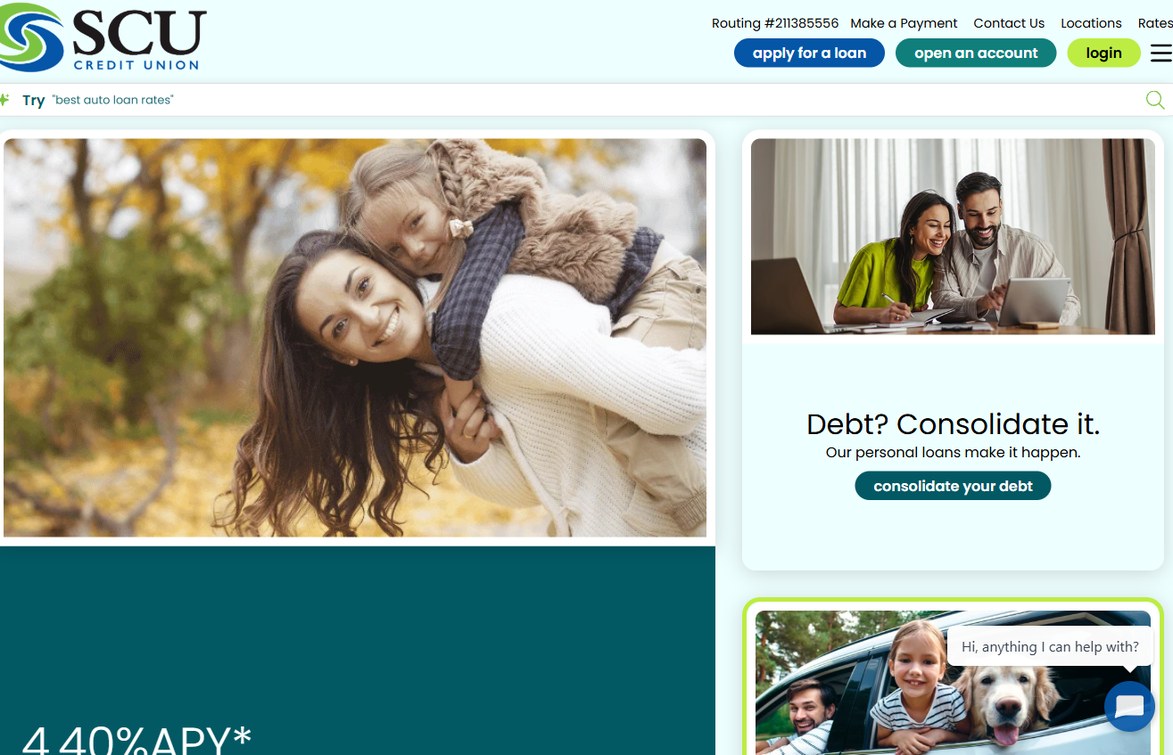
Credit unions often act as a lifeline when big banks turn their backs. Unlike traditional commercial banks, which are profit-driven and rely heavily on automated credit scoring, credit unions are member-owned cooperatives. For those looking to fix their financial house, SCU Credit Union provides a structured way to tackle existing debt.
Their personal loans are designed with the goal of consolidation in mind, helping to streamline various monthly payments into one single, manageable chunk. Instead of juggling five different due dates for five different credit cards, a single monthly payment can help you regain a sense of control. It is about simplifying your life.
This is a fantastic choice for individuals who are already members and want to build a relationship with a local institution. While a 500 score is a hurdle, the cooperative nature of a credit union often allows for more nuance than a rigid algorithm. They focus on the person, not just the number.
For example, if you can demonstrate a steady income via recent paystubs or show that you are actively working to resolve past delinquencies, a credit union representative may look at your «character» as a borrower rather than just your digital score. It is a human approach to a digital problem.
Pros:
- Effective debt consolidation options
- Personalized member-based service
- Potential for lower rates through membership
Cons:
- Requires membership to access specific benefits
2. FastLendGo
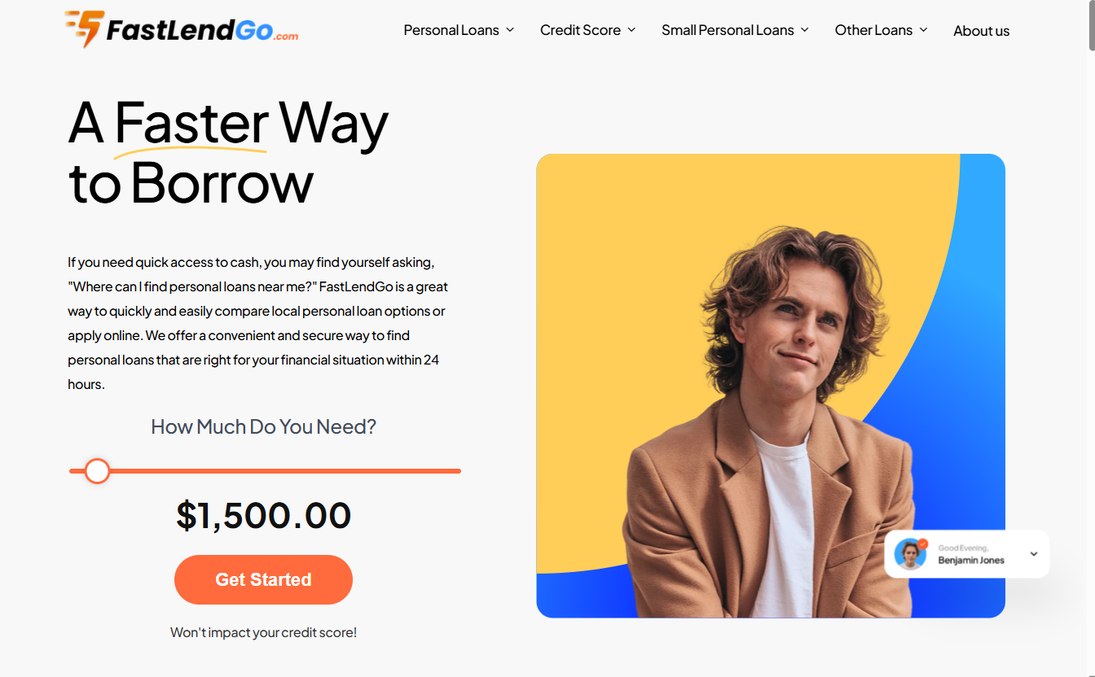
When you are staring at a broken water heater or an unexpected car repair, you don’t have time to shop around for weeks. FastLendGo positions itself as a partner for those who need quick access to cash. They cater specifically to a wide variety of credit profiles, including those with bad or fair credit.
While a bank might take 5-7 business days to process an application, FastLendGo is optimized for the «now.» The platform is built for speed and versatility, offering everything from small $500 loans to larger amounts. It is an ideal solution for someone who needs to bridge a gap between paychecks.
For instance, if you have a $600 car repair that is preventing you from getting to work, a small loan from FastLendGo can act as a bridge to your next paycheck. They understand that life happens fast, and sometimes your credit score is the last thing on your mind during a crisis.
Pros:
- Covers various loan amounts from $500 upwards
- Specifically targets bad and fair credit users
- Fast application process for quick cash
Cons:
- High interest rates are common with bad credit options
3. Prosper
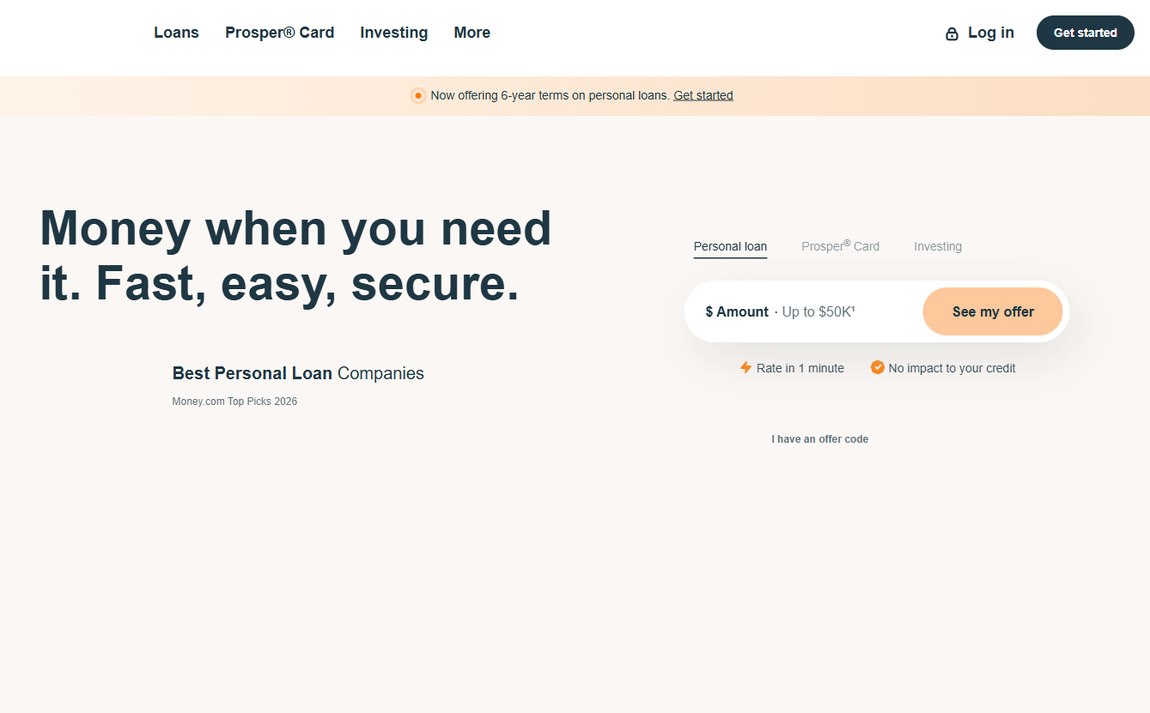
Prosper operates a bit differently by using a peer-to-peer (P2P) model, which can sometimes be more forgiving than a traditional bank. Instead of borrowing from a massive institution, you are borrowing from a pool of individual investors. These investors are often looking for higher returns than a savings account provides.
They are willing to take on more risk, like a borrower with a 500 score, in exchange for higher interest rates. They offer substantial loan amounts, ranging from $2,000 all the way up to $50,000. This makes them a heavy hitter for major life expenses rather than just minor emergencies.
If you have a stable income but a bruised credit score, the ability to secure longer terms—up to six years—can make a massive difference. It allows you to stretch your payments out, making the monthly burden much lighter. For example, taking a $5,000 loan to consolidate high-interest debt over 48 months might result in a monthly payment that fits into your budget.
A 12-month repayment plan might be impossible to meet, but a longer term offers breathing room. It is about long-term planning rather than just putting out a temporary fire. You are looking for a sustainable way to manage your debt over time.
Pros:
- Large loan amounts up to $50,000
- Extended terms up to 6 years
- Peer-to-peer flexibility
Cons:
- Requires a higher amount than a simple payday loan
4. PaydayChampion
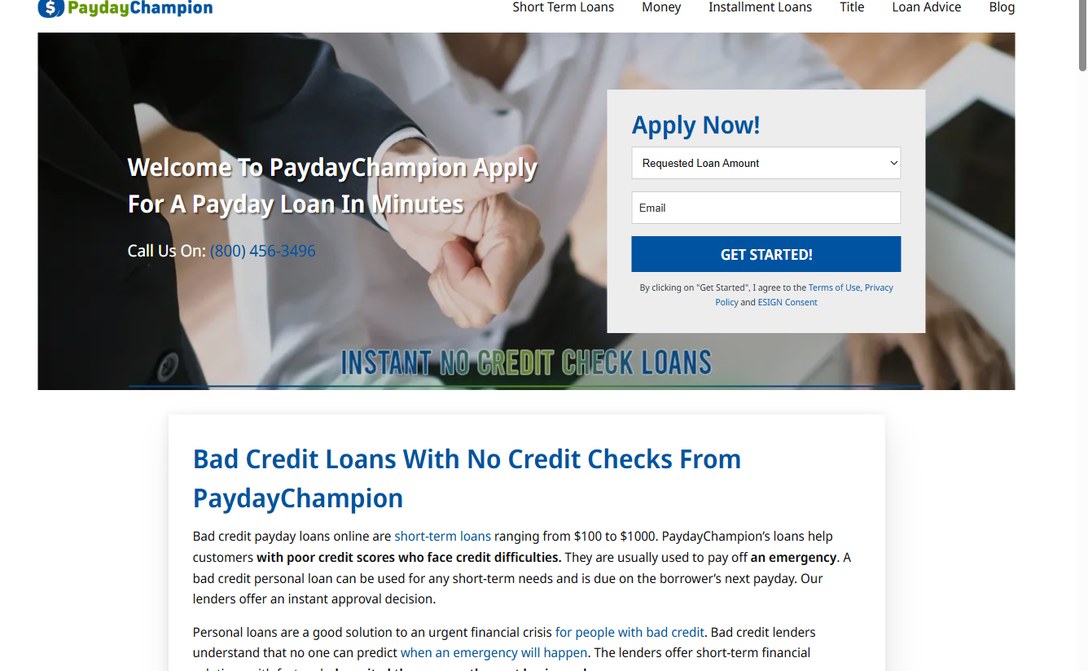
Sometimes, the house is literally on fire, and you need a bucket of water immediately. PaydayChampion specializes in the short-term, high-urgency market. They focus on «Guaranteed Approval» styles for those facing significant credit difficulties, making them a go-to for those who have been rejected elsewhere.
This is the «emergency room» of the lending world. It’s not where you want to be, but it’s where you go when the situation is dire. The loan amounts are much smaller, usually starting as low as $100 and going up to several thousand. Because these are short-term installments, they are meant for urgent needs.
If you need $200 to buy groceries because your paycheck is delayed by three days, PaydayChampion is built for that exact scenario. However, it is a quick fix for a specific problem, rather than a way to restructure your entire life. Using these loans to fund lifestyle expenses instead of true emergencies is a recipe for financial disaster.
Pros:
- Very low entry point starting at $100
- Designed for those with no credit checks
- Extremely fast approval for emergencies
Cons:
- Very high costs for short-term borrowing
5. Kashable
Kashable is a unique player in the financial wellness space because it is tied directly to your employment. This isn’t a lender you just find on a random search; it is a benefit that your employer provides to help you navigate life’s unexpected hurdles. It is an elegant solution to the «not enough in savings» problem.
Imagine needing $1,000 for a dental emergency. Rather than turning to a high-interest credit card, you access funds through your employer’s platform. By integrating with payroll systems, Kashable makes the repayment process seamless. If your employer offers this, it can be a lifesaver because it’s built into your professional ecosystem.
The repayment often happens via automatic payroll deductions. This removes the «human error» element of forgetting a due date and incurring a late fee. It focuses on the concept of wellness, aiming to prevent a single bad month from turning into a years-long debt cycle.
Pros:
- Integrated directly with payroll and benefits
- Focuses on long-term financial wellness
- Easier repayment via employer deductions
Cons:
- Availability is strictly limited to participating employers
Common Pitfalls: The «Hidden Costs» of Low Credit Borrowing
When you are borrowing with a 500 score, the «sticker price» of the loan is rarely the real price. You must look at the APR, which includes not just the interest rate, but also any origination fees, processing fees, or administrative costs. For example, a lender might offer you a «low» 15% interest rate, but if they charge a 5% origination fee upfront, your actual cost of borrowing is significantly higher.
Always ask for a «Truth in Lending» disclosure. This is a legal requirement for lenders to show you the total cost of the loan over its entire life. It prevents surprises when you sit down to make your final payment. Knowing the total cost is the only way to truly understand what you are signing for.
Another pitfall is the «repayment trap.» This occurs when a borrower takes out a high-interest loan to pay off a different debt, but doesn’t change the spending habits that led to the debt in the first place. If you use a loan to pay off a $3,000 credit card balance, but then immediately charge that $3,000 back onto the card, you have effectively doubled your debt.
You now have the original credit card balance plus the new loan balance. To avoid this, use loans for consolidation only if you are prepared to freeze your credit card usage until the loan is paid off. Discipline is just as important as the loan itself.
Step-by-Step: How to Apply for a Loan with a 500 Score
If you are ready to move forward, follow this sequence to maximize your chances of approval and minimize your risk:
- Audit Your Documents: Before applying, gather your last three months of pay stubs, your most recent bank statement, and a valid ID. Digital lenders move fast, and having these ready prevents your application from being flagged for «verification delays.»
- Check for Errors: A 500 score is often caused by errors. Spend 15 minutes checking your reports at AnnualCreditReport.com. If there is a late payment listed that you actually paid on time, dispute it immediately. Fixing a single error can jump your score by 20-30 points, potentially moving you into a better interest rate bracket.
- Compare the Total Cost, Not the Monthly Payment: A lender might offer you a $100 monthly payment that sounds affordable. However, if that loan is for 60 months, you are paying $6,000 for a $3,000 loan. Always calculate: (Monthly Payment × Number of Months) + Origination Fees = Total Cost.
- Read the «Prepayment Penalty» Clause: This is vital. If you get a windfall or a tax refund and want to pay off your loan early to save on interest, some lenders will charge you a fee for doing so. Look for «no prepayment penalty» in your contract.
Navigating the Path to Better Credit
Choosing a lender when your score is 500 is a high-stakes game. You must look beyond the «instant approval» stickers and actually read the fine print. A loan that solves a problem today might create a much larger problem six months from now if the interest rates are astronomical. Always check the total cost of borrowing before signing.
Avoid the trap of taking out a high-interest payday loan to pay off a lower-interest credit card. This is like trying to put out a grease fire with a bucket of gasoline. Use short-term loans only for absolute emergencies. For everything else, look toward consolidation or employer-based benefits that offer a path toward stability.