

The 7 Best Lenders for Personal Loans in Connecticut for 2026
Last updated: 2026-11-25
Trying to sort out your finances in the Constitution State can feel like driving through a thick fog in the Mystic River Valley. Whether you are fixing up a historic home in Greenwich or trying to tackle high-interest debt in Hartford, the lender you choose matters immensely.
Connecticut’s economy is a mixed bag. You have wealthy coastal enclaves sitting right next to revitalized urban centers. Because of this diversity, a one-size-fits-all approach to borrowing rarely works for everyone in the state.
The right loan can be a lifesaver, but the wrong one acts like a heavy anchor. You have to look past flashy advertisements to see if the terms actually fit your life. A homeowner in West Hartford looking for a renovation loan has very different needs than a New Haven small business owner seeking bridge financing.
Don’t just look at the interest rate. You need to weigh the repayment flexibility, how fast the cash actually hits your account, and those pesky hidden fees that tend to pile up over several years.
- SoFi
- Prosper
- FastLendGo
- LightStream
- Avant
- Upgrade
- Alliant Credit Union
Evaluating Financial Options for Connecticut Residents
We looked at several key metrics to build this list. The main focus was on speed—how quickly cash reaches your bank account—and the type of credit profile required to get a «yes.» Speed is everything when an emergency strikes, like an HVAC failure during a New England winter or a sudden car repair needed for a long commute on I-95.
We also checked the breadth of services offered. A lender that provides more than just a simple loan, such as checking accounts or investment tools, offers a level of convenience that many modern Connecticut families find useful. We looked for digital tools that make managing funds easy, which is essential for the busy professional working in the Hartford insurance corridor.
The «cost of capital» was another major factor. This isn’t just the APR (Annual Percentage Rate), but the total cost of the loan. A lender might offer a lower monthly payment by extending the term to 72 months, but the math might show you’ve paid thousands more in interest than a shorter loan would require.
Our selection process prioritized lenders that are transparent about these calculations. You want to make informed decisions rather than being blindsided by the final bill when the loan is paid off.
| Lender Name | Loan Amount Range | Term Lengths | Best For |
|---|---|---|---|
| SoFi | see site | see site | Comprehensive Banking |
| Prosper | $2,000 – $50,000 | Up to 6 years | Peer-to-Peer Lending |
| FastLendGo | $500 – $5,000+ | see site | Quick Access/Bad Credit |
| LightStream | see site | see site | Specific Large Purposes |
| Avant | see site | see site | Flexible Solutions |
| Upgrade | Up to $50,000 | see site | Fast Funding/Cash Back |
| Alliant Credit Union | see site | see site | High-Yield Savings/Members |
Top-Rated Lenders for Connecticut Borrowers
1. SoFi
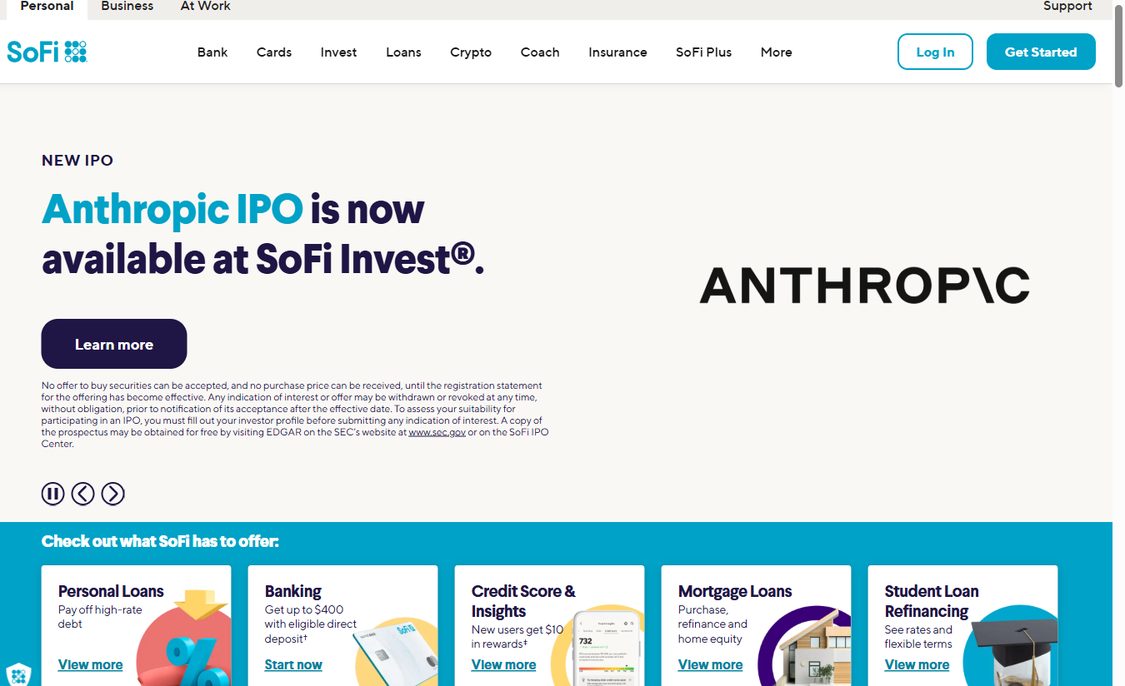
SoFi operates as a massive financial ecosystem. It is more than just a place to grab a loan; it is a hub for banking, investing, and mortgages. This makes it a powerhouse for anyone looking to consolidate their entire financial life under one roof. Instead of managing a separate checking account at a local bank, a mortgage with a national lender, and a brokerage account elsewhere, SoFi allows for a unified view of your net worth.
This lender is particularly suited for those who want a streamlined experience. By offering a variety of products, they attempt to simplify the way people manage their money from their smartphone while commuting on the Metro-North. For the high-earning professional in Stamford or Darien, the ability to manage debt consolidation and high-yield savings within a single, highly polished interface can save hours of administrative headache every month.
Pros:- Wide range of services including crypto and insurance.
- Comprehensive financial platform.
- Extensive product list can be overwhelming.
2. Prosper
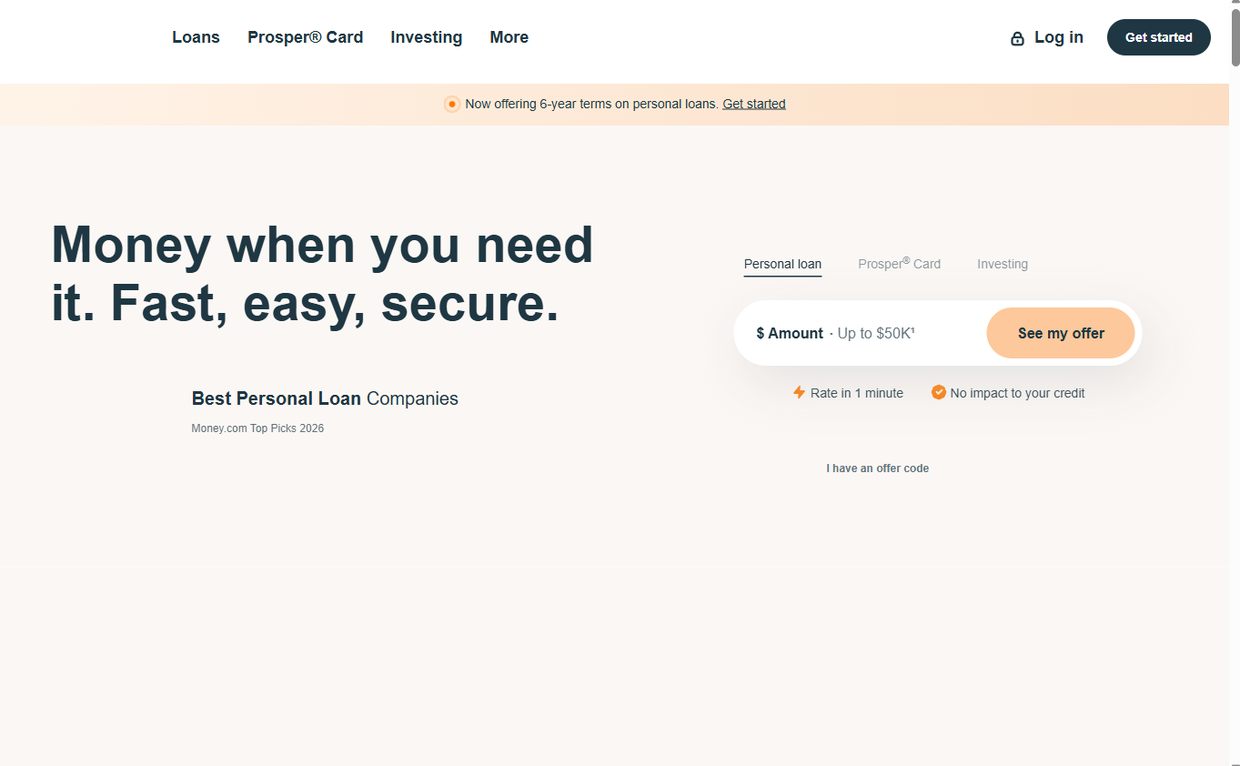
Prosper takes a different approach by utilizing peer-to-peer (P2P) technology. Instead of just borrowing from a giant institution, you are connecting with other investors. This can sometimes lead to different terms than traditional banks might offer. In a P2P model, your «lender» is actually a group of individual investors seeking a return on their money, which can sometimes lead to more competitive rates for borrowers with excellent credit profiles.
They offer terms as long as six years, which provides a significant amount of breathing room for monthly payments. If you need a loan between $2,000 and $50,000, this is a highly recognizable option in the marketplace. This is particularly useful for mid-sized expenses, such as consolidating several smaller credit card balances into one manageable monthly payment, or funding a significant home improvement project like a new kitchen backsplash or updated flooring.
Pros:- Terms up to 6 years available.
- Transparent rate checking without credit impact.
- Peer-to-peer model may involve different fee structures.
3. FastLendGo
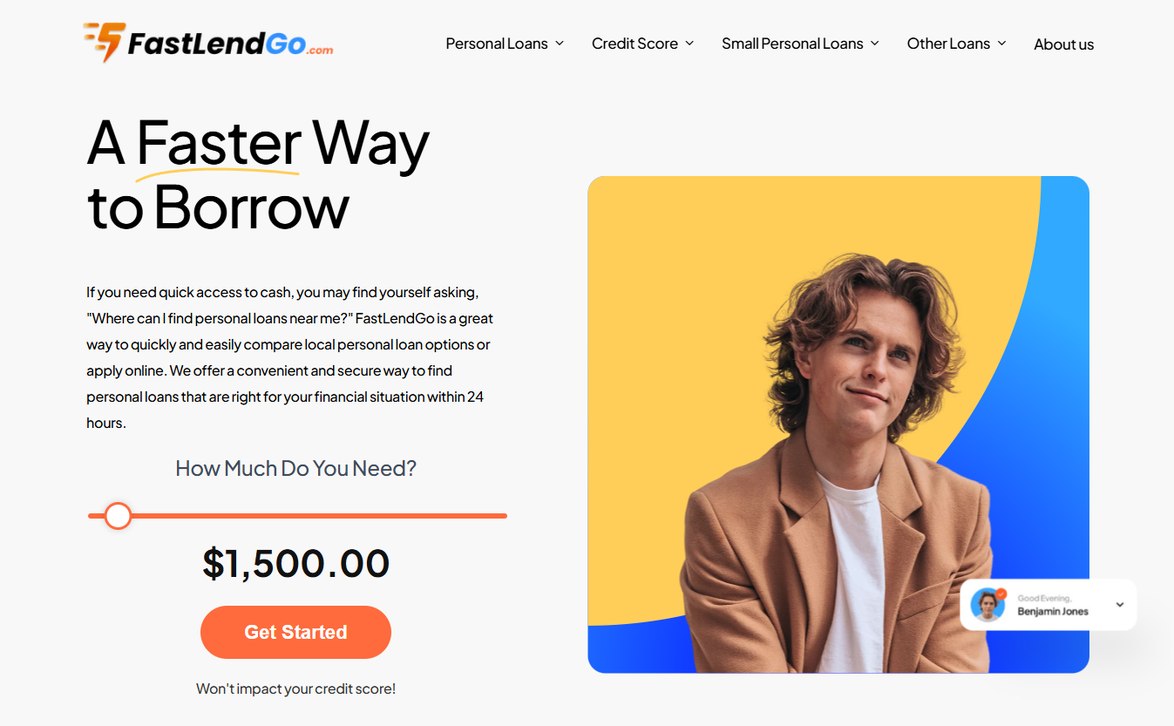
Sometimes, life doesn’t wait for a perfect credit score. FastLendGo positions itself as a partner for those who need quick access to cash. They cater to a wide spectrum, from high-income individuals to those with less-than-perfect credit. In a state where the cost of living can spike unexpectedly, having a lender that focuses on accessibility rather than rigid institutional criteria can be a lifesaver.
Whether it is an emergency auto repair or a dental bill, they offer specific paths for various needs. It is a pragmatic choice for those who prioritize speed and accessibility over the prestige of a traditional bank. While a traditional bank might take weeks to review an application and verify employment, a lender like FastLendGo focuses on a streamlined approval process to get funds into your account when the need is most urgent.
Pros:- Options for various credit levels.
- Covers specific needs like auto or dental.
- Rapid access often comes with higher interest risks.
4. LightStream
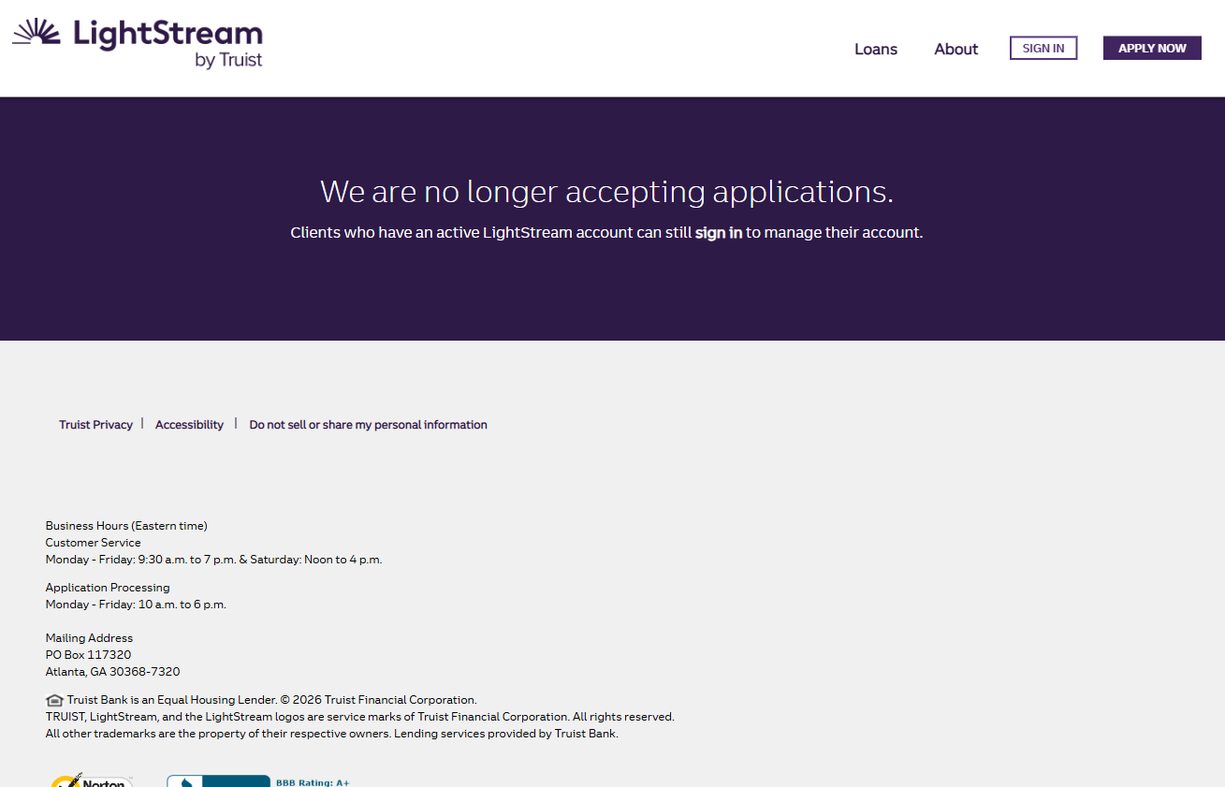
LightStream is a specialized player under the Truist umbrella. They focus on «loans for practically anything,» making them a versatile tool for various life milestones. They are known for their specialized approach to lending, particularly for those who have a specific, high-value purpose for their funds. This might include consolidating high-interest student loans or financing a major professional certification that will increase your lifetime earning potential.
However, potential borrowers should note that their application window is not always open. They often use a «capacity-based» lending model, which means they look at your ability to repay based on your income and assets, not just your credit score. This can be a massive advantage for professionals with high incomes but thin credit files. It is important to check their current status before planning a major purchase or a significant home improvement project in your Connecticut residence.
Pros:- Broad use cases for loans.
- Backed by a major financial institution.
- Application availability can be restricted.
5. Avant
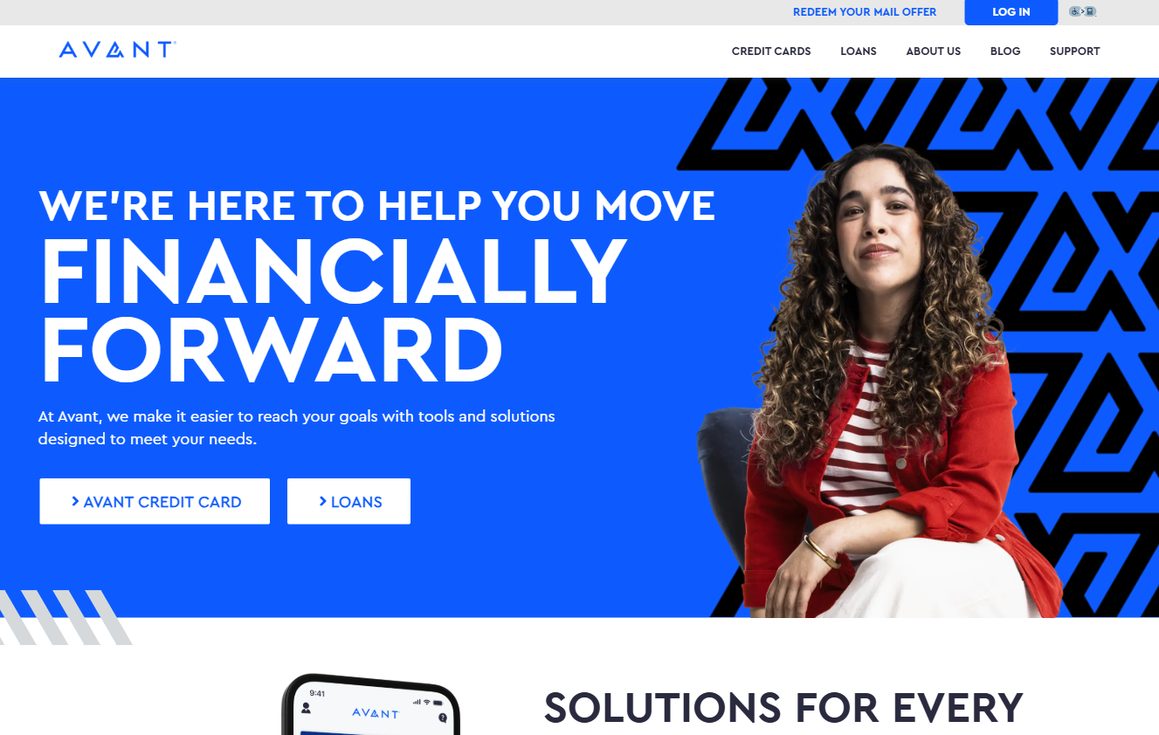
Avant focuses on moving people forward financially. They recognize that everyone’s journey is different, offering tools and solutions designed to meet specific needs. Their approach is centered on flexibility and simplicity. Instead of the rigid, often intimidating atmosphere of a large commercial bank, Avant aims to provide a more approachable experience for those who may be rebuilding their financial standing.
They offer everything from credit cards to debt consolidation loans. This makes them a solid choice for someone looking to clean up their financial slate through installment loans or emergency funds. If you have been struggling with high-interest revolving credit card debt, an Avant installment loan can help you transition to a fixed monthly payment, which makes budgeting much more predictable.
Pros:- Flexible loan and credit card options.
- Friendly, solution-oriented approach.
- May not be the best fit for those seeking extremely low rates.
6. Upgrade
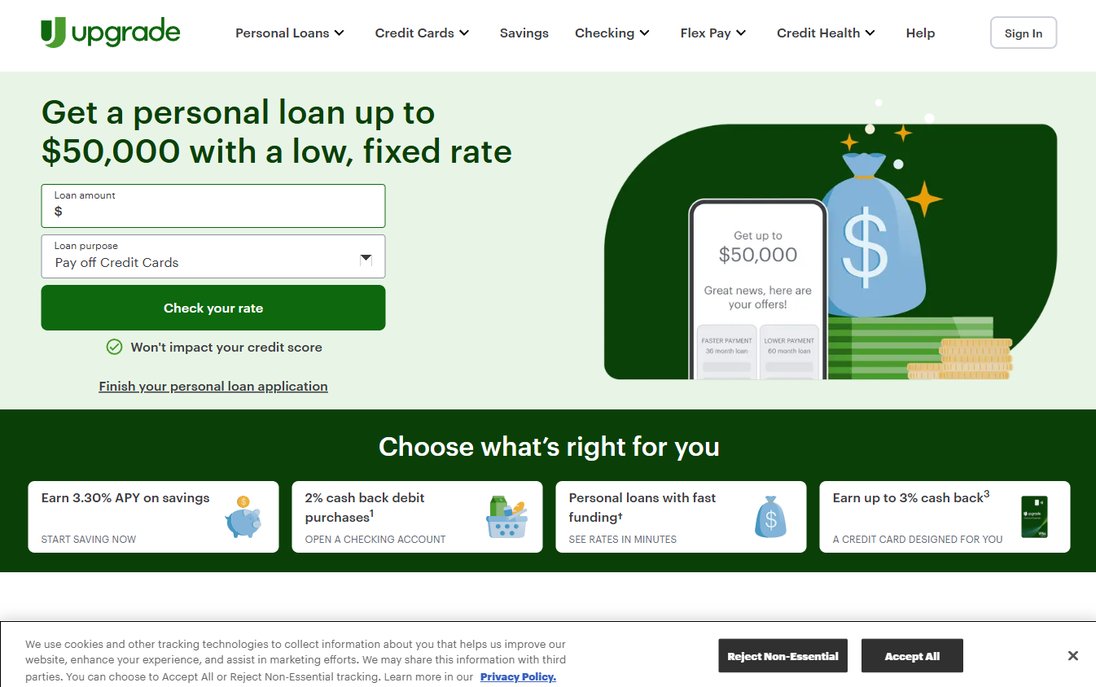
Upgrade is all about speed and modern perks. They offer personal loans up to $50,000 and emphasize fast funding. For the tech-savvy borrower, their ability to see rates in minutes is a significant advantage. In a fast-paced economy, being able to compare options from your laptop while sitting in a coffee shop in West Hartford is a major convenience.
They also offer interesting secondary benefits, such as cash back on debit purchases and high-yield savings options. It is a very «lifestyle-integrated» way to handle personal financing in the modern era. They also offer a unique option where you can potentially get a portion of your loan amount back in the form of cash, which can be an immediate boost to your liquid savings.
Pros:- Fast funding and quick rate checks.
- Cash back rewards on certain accounts.
- Complex fee structures can sometimes be present.
7. Alliant Credit Union
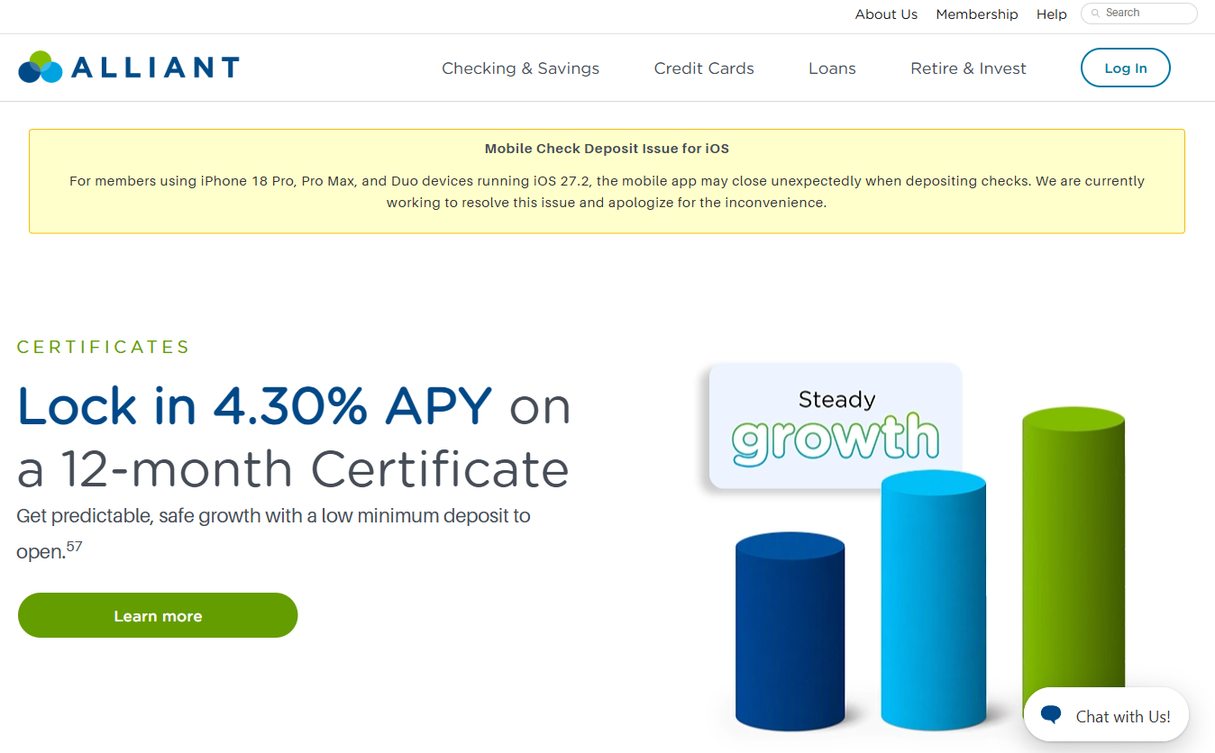
For those who prefer the community feel of a credit union, Alliant is a strong contender. They focus heavily on high-yield benefits, such as their high-rate savings and jumbo checking accounts. Because credit unions are member-owned, their primary goal is serving their members rather than maximizing profits for external shareholders, which often translates to better rates for the consumer.
While they offer various loans, their strength lies in their competitive interest rates on certificates and savings. They are a great choice for long-term wealth builders who also need reliable banking services. If you are planning for a long-term goal, such as a child’s college fund or a retirement nest egg, the compounding interest in a high-yield account can make a substantial difference over a decade.
Pros:- High-yield savings and certificate options.
- Member-focused service model.
- Requires membership to access benefits.
Understanding the Total Cost of Borrowing
When evaluating a loan, many borrowers make the mistake of only looking at the monthly payment. This is a dangerous simplification. To truly understand if a loan is a good deal, you must calculate the total cost of the loan over its entire lifespan. This requires a simple formula: (Monthly Payment × Number of Months) + Down Payment + Any Upfront Fees.
Consider two scenarios for a $10,000 loan:
- Option A: $250 per month for 48 months. Total cost: $12,000.
- Option B: $180 per month for 72 months. Total cost: $12,960.
In Option B, your monthly obligation is $70 lower—which feels better for your monthly budget—but you are actually paying $960 more for the exact same amount of money. This is the «interest trap» that many people fall into when they prioritize immediate cash flow over long-term wealth preservation.
Additionally, pay attention to the distinction between APR and the interest rate. The interest rate is the cost of the principal, while the APR includes the interest rate plus any other fees (like origination fees or processing fees) required to get the loan. For a borrower, the APR is the most accurate representation of what the loan will actually cost you.
Strategic Steps Before Applying for a Loan
To ensure you get the best possible terms from the lenders listed above, consider following these specific steps to prepare your financial profile:
- Audit Your Credit Report: Before applying, pull your reports from all three major bureaus. Look for errors, such as incorrect addresses or accounts that do not belong to you. Disputing an error can jump your score by dozens of points, which could move you from a «fair» interest rate to an «excellent» one.
- Consolidate Small Debts: If you have multiple small balances on various credit cards, try to pay them down slightly before applying. Lowering your «credit utilization ratio»—the amount of debt you use relative to your total limits—is one of the fastest ways to boost your score.
- Gather Documentation Early: Lenders will want to see proof of income and stability. Have your last two years of W-2s, your most recent pay stubs, and your most recent tax returns organized in a digital folder. This prevents delays in the «verification» stage of your application.
- Check for Prepayment Penalties: This is a crucial, often overlooked detail. Some loans charge you a fee if you try to pay the loan off early. If you expect to receive a bonus or an inheritance and want to clear your debt, ensure your loan allows for penalty-free early repayment.
Avoiding Pitfalls in the Lending Process
Before signing on the dotted line, always read the fine print. It is easy to get caught up in a low monthly payment, but a longer term means you will pay significantly more in total interest over the life of the loan. This is especially true in an environment where inflation or interest rates might fluctuate.
Avoid the temptation to take out more than you absolutely need. Over-borrowing is a common mistake that can lead to a cycle of debt that is difficult to escape. If you need $8,000 for a renovation, do not take out a $10,000 loan just because the lender offered it. That extra $2,000 is essentially «expensive money» that you will be paying back with interest for years.
Finally, keep a close eye on your credit score during the process. While some lenders allow you to check rates without an impact (often called a «soft pull»), the final application will almost certainly trigger a hard inquiry. Hard inquiries can temporarily lower your score. Plan your moves carefully; if you are planning to apply for a mortgage in the next few months, you might want to wait to apply for a personal loan to avoid multiple inquiries appearing on your report.